Maps of Meaning: The Architecture of Belief(2017)
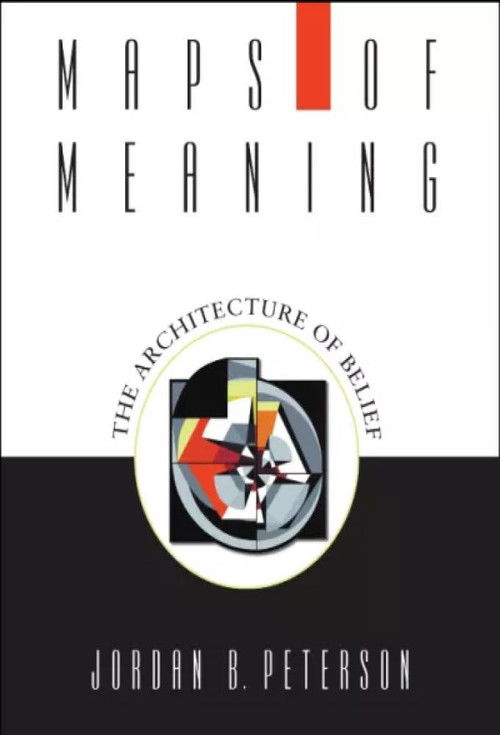
First Air Date: 2017-01-16
Average Runtime: N/A
Rating: 0.0
Votes: 0
Seasons: 1
Episodes: 12
This lecture series lays bare the grammar of mythology, and describes the relevance of that grammar for interpretation of narrative and religion, comprehension of ideological identification and understanding of individual choice.
Top Cast

Seasons & Episodes
Season 1
Episodes: 12E01
Context and Background
Air Date: 2017-01-16
In this lecture, I discuss the context within which the theory I am delineating through this course emerge: that of t...
E02
Marionettes and Individuals (Part 1)
Air Date: 2017-01-25
In this lecture, I begin using a particular piece of dramatic art -- the Disney film Pinocchio -- to provide a specif...
E03
Marionettes and Individuals (Part 2)
Air Date: 2017-01-30
In this lecture, I continue with the analysis of the Disney film Pinocchio to illustrate the manner in which great my...
E04
Marionettes and Individuals (Part 3)
Air Date: 2017-02-08
In this lecture, I conclude my analysis of the Disney film Pinocchio, which I conducted to illustrate how archetypal/...
E05
Story and Metastory (Part 1)
Air Date: 2017-02-13
In this lecture, I make the case that we each inhabit a story, describing where we are, where we are going, and the a...
E06
Story and Metastory (Part 2)
Air Date: 2017-02-20
In this lecture, I discuss uncertainty, or anomaly. We frame the world -- or the world reveals itself to us -- as a s...
E07
Images of Story and Metastory
Air Date: 2017-03-06
In this lecture, I discuss how the basic or archetypal categories we use to frame the world are represented in image,...
E08
Neuropsychology of Symbolic Representation
Air Date: 2017-03-08
In this lecture, I discuss the relationship between the basic categories of imagistic/symbolic representation and bra...
E09
Patterns of Symbolic Representation
Air Date: 2017-03-29
In this lecture, I discuss the manner in which the fundamental symbolic archetypes (particularly those dealing with t...
E10
Genesis and the Buddha
Air Date: 2017-04-27
In this lecture, I discuss the creation stories in Genesis, the first book of the Bible, and describe the parallels w...
E11
The Flood and the Tower
Air Date: 2017-05-01
In this lecture, I continue my discussion of the archaic stories at the beginning of Genesis, including Cain and Abel...
E12
Final: The Divinity of the Individual
Air Date: 2017-05-27
In this, the final Maps of Meaning lecture for 2017, I review the year and its offerings: What is a belief system? Wh...
Recommendations

The Good Place
2016
Atlantis
2013
Roar
1997
I, Claudius
1976
KAOS
2024
The Odyssey
1997
Helen of Troy
2003
Foundation
2021
The Bible
2013
The Wheel of Time
2021
StarTalk with Neil deGrasse Tyson
2015
Xena: Warrior Princess
1995
Top Chef
2006
Dark Shadows
1966
Mr. Mercedes
2017
Tru Calling
2003
The Curse
2023
Those About to Die
2024
The Traitors
2023